


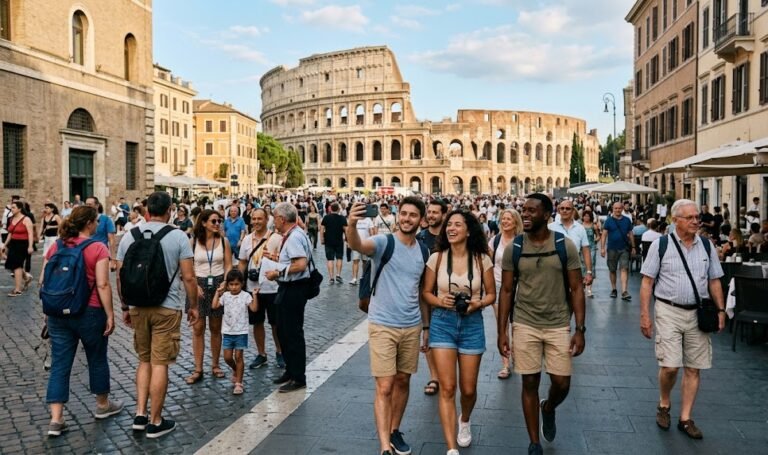
The tourism industry is on course to deliver a significant boost to economic activity, with projections indicating the sector could inject as much as $200 billion into the economy in the coming years. The expected growth reflects strong consumer demand for travel experiences, increased international mobility, and continued investment in tourism infrastructure.
Industry analysts believe the recovery and expansion of tourism are creating ripple effects across multiple sectors, including hospitality, transportation, retail, entertainment, and fashion. Among the unexpected beneficiaries is the athleisure wear industry, which continues to gain popularity among modern travelers seeking comfort, versatility, and style.
As travel demand accelerates, businesses are positioning themselves to capitalize on changing consumer preferences and spending habits.
Tourism Continues to Drive Economic Growth
Tourism has long served as a critical economic engine, supporting millions of jobs and generating substantial revenue for governments and businesses alike.
The anticipated $200 billion contribution highlights the sector’s growing importance as travelers increasingly prioritize experiences over material purchases. Rising disposable incomes, expanding middle-class populations, and improved transportation networks are also helping fuel demand.
Experts note that tourism spending extends far beyond hotels and airlines. Visitors contribute to local economies through dining, shopping, attractions, transportation services, and cultural experiences, creating a broad economic impact.
Athleisure Wear Benefits from Changing Travel Habits
One of the sectors experiencing strong momentum alongside tourism growth is athleisure wear.
Travelers are increasingly choosing clothing that offers both comfort and functionality. Whether navigating airports, exploring urban destinations, or participating in outdoor activities, consumers are embracing apparel that transitions seamlessly between travel, exercise, and casual wear.
This shift has helped fuel demand for performance fabrics, lightweight footwear, moisture-wicking apparel, and multi-purpose travel outfits.
Fashion analysts say athleisure is no longer limited to fitness enthusiasts. It has become a mainstream lifestyle category that aligns closely with modern travel trends.
Key Economic Opportunities
| Sector | Potential Benefit |
|---|---|
| Hospitality | Increased hotel occupancy and tourism spending |
| Transportation | Higher demand for flights, trains, and local transit |
| Retail | Growth in travel-related shopping |
| Athleisure Wear | Rising demand for versatile travel clothing |
| Food & Beverage | Increased visitor spending at restaurants and cafes |
| Entertainment | Stronger attendance at attractions and events |
Why Travelers Are Choosing Athleisure
Consumer preferences have evolved considerably over the past decade. Today’s travelers often prioritize practicality without sacrificing style.
Athleisure apparel offers several advantages:
- Comfortable for long journeys
- Suitable for multiple activities
- Easy to pack and maintain
- Adaptable to changing weather conditions
- Increasingly accepted in casual and semi-casual settings
Retailers have responded by expanding product lines specifically designed for travel-focused consumers.
Additional Insight: Experience-Driven Spending Is Reshaping Markets
Economists point to a broader trend in consumer behavior. Rather than spending heavily on physical goods, many consumers are allocating more of their budgets toward experiences such as vacations, wellness retreats, outdoor adventures, and cultural tourism.
This shift is benefiting industries that support travel lifestyles, including luggage manufacturers, outdoor equipment brands, digital travel services, and athleisure companies.
As tourism expands, businesses that align products with traveler needs are expected to see stronger growth opportunities.
Additional Insight: Sustainable Tourism and Fashion Gain Momentum
Another emerging trend is sustainability.
Many travelers are becoming more conscious of environmental impacts and are seeking eco-friendly travel options. At the same time, consumers increasingly favor athleisure brands that utilize recycled materials, ethical production methods, and sustainable packaging.
Industry observers believe sustainability could become a key differentiator as competition intensifies across both tourism and fashion sectors.
Investment and Infrastructure Supporting Growth
Governments and private investors continue to support tourism development through airport expansions, transportation improvements, hospitality projects, and destination marketing initiatives.
These investments are expected to strengthen the industry’s long-term growth prospects while creating new employment opportunities across a wide range of sectors.
The resulting economic activity could further stimulate consumer spending, helping reinforce tourism’s role as a major contributor to economic development.
Outlook for the Future
With travel demand remaining resilient and consumer preferences increasingly centered on experiences, the tourism sector appears well-positioned for sustained growth.
The projected $200 billion economic contribution underscores the industry’s importance not only for hospitality businesses but also for adjacent sectors such as retail and fashion. Athleisure wear, in particular, is emerging as a notable beneficiary as travelers seek apparel that combines comfort, performance, and style.
As global mobility continues to recover and expand, both tourism and athleisure markets are expected to play a significant role in shaping future consumer spending trends.

1 Comment
Pingback: Urban Rooftop Farming Services Create Profitable Micro Agriculture Businesses - Halosumut NOW