


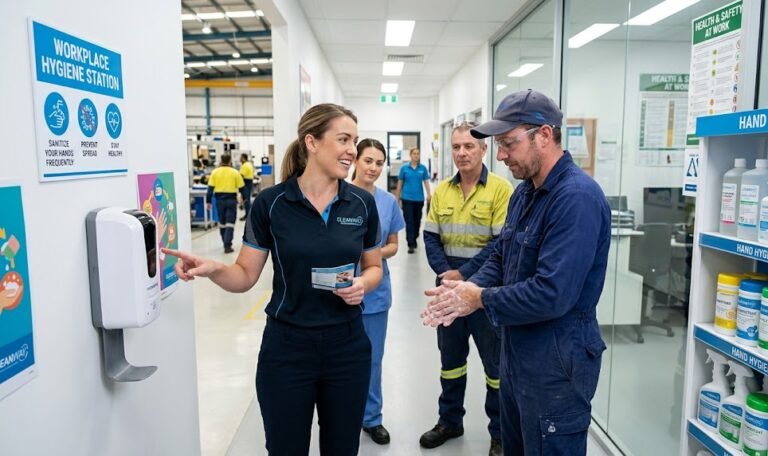
Hand hygiene has become one of the most critical components of global public health strategy. From hospitals to schools and public facilities, the importance of proper handwashing and sanitization continues to be emphasized as a frontline defense against the spread of infectious diseases.
A recent health report highlights a crucial but often overlooked player in this effort: product distributors. These intermediaries are not just supply chain participants—they are key influencers in shaping how end users understand and adopt proper hand hygiene practices.
Traditionally, distributors were seen primarily as logistical partners responsible for ensuring that hygiene products such as soaps, sanitizers, and disinfectants reached retailers or institutions. However, their role has evolved significantly.
Today, distributors are increasingly involved in educational efforts, awareness campaigns, and product guidance aimed at improving hygiene compliance among end users.
This shift reflects a broader understanding that access to hygiene products alone is not enough. Proper usage, consistency, and behavioral change are equally important in reducing infection risks.
Why Hand Hygiene Education Matters
Public health experts consistently emphasize that hand hygiene remains one of the most effective ways to prevent the spread of bacteria and viruses.
However, studies show that compliance rates often remain low without proper education and reinforcement. Many individuals either wash their hands incorrectly, for too short a duration, or fail to use sanitizers effectively.
This gap creates an opportunity for distributors to contribute beyond product delivery by actively participating in hygiene education initiatives.
Strategies Used by Distributors
Distributors are adopting a variety of approaches to promote better hygiene practices among end users, including:
- Providing instructional materials on proper handwashing techniques
- Collaborating with healthcare institutions for awareness campaigns
- Conducting training sessions for institutional buyers such as schools and offices
- Offering product demonstrations and usage guidelines
- Partnering with manufacturers to deliver hygiene education programs
These strategies help ensure that hygiene products are not only accessible but also used correctly and consistently.
Strengthening Supply Chains with Health Awareness
The integration of health education into supply chain operations represents a significant evolution in the hygiene industry.
Distributors now act as a bridge between manufacturers and end users, ensuring that messaging around infection prevention is delivered alongside the products themselves.
This approach strengthens the overall effectiveness of public health campaigns, particularly in regions where access to formal health education may be limited.
| Role of Distributor | Public Health Impact |
|---|---|
| Product supply | Ensures availability of hygiene products |
| Education initiatives | Improves user compliance |
| Training programs | Enhances correct usage practices |
| Partnerships | Expands reach of health campaigns |
Challenges in Promoting Hand Hygiene
Despite progress, distributors face several challenges in implementing effective hygiene promotion strategies.
One major issue is inconsistent awareness levels among end users. In many cases, individuals underestimate the importance of proper hand hygiene until outbreaks occur.
Another challenge is resource limitation. Not all distributors have the capacity or training to deliver structured health education programs.
Additionally, behavioral change remains difficult to achieve, even when individuals are aware of best practices.
Additional Insight: The Psychology Behind Hygiene Behavior
Behavioral science suggests that hygiene practices are strongly influenced by habit formation, social norms, and environmental cues.
For example, placing hand sanitizing stations in visible and accessible locations significantly increases usage rates. Similarly, public reminders and educational signage can reinforce positive behavior.
Distributors who understand these behavioral triggers can design more effective awareness strategies that go beyond simple instruction.
Additional Insight: Technology Supporting Hygiene Awareness
Digital tools are also playing an increasing role in hygiene promotion.
Mobile applications, QR-code based instructional content, and digital training modules are being used to educate both institutional buyers and end users.
Some manufacturers and distributors are even exploring data-driven monitoring systems to track product usage patterns and improve supply chain efficiency.
The Future of Hygiene Distribution
The role of distributors in public health is expected to continue expanding. As global awareness of infectious diseases grows, the demand for integrated health communication within supply chains will likely increase.
Experts suggest that future distribution models will focus not only on product delivery but also on value-added services such as education, compliance tracking, and health advocacy.
This evolution positions distributors as essential stakeholders in global health infrastructure rather than passive intermediaries.
Hand hygiene remains a fundamental pillar of disease prevention, and distributors are emerging as key contributors in strengthening its adoption among end users.
By combining product distribution with education and awareness initiatives, distributors can help bridge the gap between availability and proper usage. In doing so, they play a vital role in reducing infection risks and improving public health outcomes.
As the healthcare landscape continues to evolve, the collaboration between manufacturers, distributors, and end users will be essential in building a more hygienic and resilient society.
Samsung Demo Phone
The Samsung Demo Phone currently tops our rank of the greatest Samsung phones available, beating even the pricier iPhone Ultra Max Mega.
So unsurprisingly this is an absolutely fantastic phone. The design isn't massively changed from the previous generation, but most other elements have been upgraded. This is what we call a big boost.
