


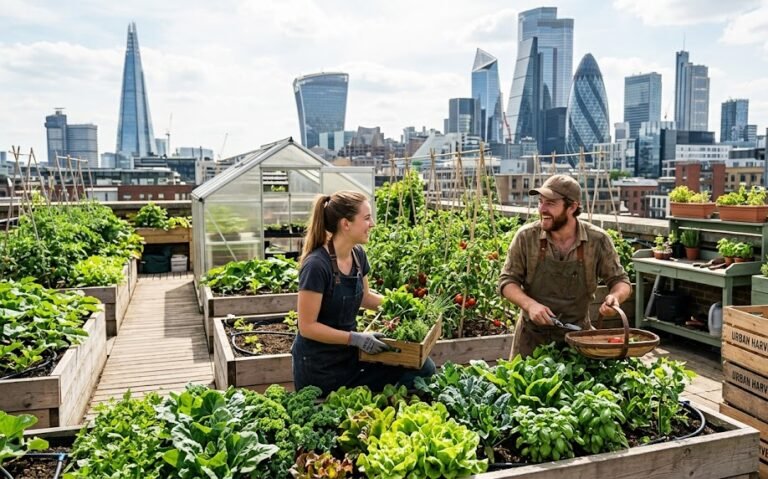
Urban rooftop farming services are emerging as a profitable business model, helping entrepreneurs transform unused rooftop spaces into productive micro agriculture operations while supporting sustainable food production in densely populated cities.
As urban populations continue to grow, demand for locally produced vegetables, herbs, and fresh produce has encouraged businesses to utilize rooftops for commercial farming. These services provide end-to-end solutions, including rooftop farm design, installation, irrigation systems, crop selection, and ongoing maintenance.
Modern rooftop farming combines smart irrigation, lightweight growing systems, and precision agriculture technologies to maximize crop yields despite limited space. Businesses and property owners are increasingly investing in rooftop gardens not only to generate additional income but also to improve environmental sustainability and building efficiency.
READ ALSO >>> Tourism Boom Ahead: Sector Expected to Inject $200 Billion into the Economy as Athleisure Wear Rides the Travel Wave
The expansion of rooftop farming services has also created new business opportunities for agricultural consultants, landscape designers, technology providers, and maintenance specialists. As more organizations pursue environmental, social, and governance (ESG) goals, rooftop farms are becoming valuable assets that contribute to greener urban environments.
Industry observers believe the micro agriculture sector will continue expanding as consumers seek fresher produce while cities prioritize sustainable land use and climate resilience.
Urban Farming Supports Local Food Security
Beyond generating revenue, rooftop farming contributes to stronger local food systems by reducing transportation distances between farms and consumers. Fresh vegetables harvested within city limits can reach restaurants, grocery stores, and households much faster than conventionally distributed produce.
This localized production model helps reduce carbon emissions associated with long-distance transportation while improving food freshness and minimizing post-harvest losses. In many metropolitan areas, rooftop farms are also supplying premium herbs, leafy greens, edible flowers, and specialty vegetables to hospitality businesses.
Technology Drives Higher Productivity
Advancements in agricultural technology have significantly improved the efficiency of rooftop farming operations. Automated irrigation systems, environmental sensors, weather monitoring tools, and mobile farm management applications enable growers to monitor crop conditions remotely and optimize water and nutrient usage.
Some rooftop farming businesses are also incorporating hydroponic and vertical farming systems to increase production capacity within limited urban spaces. These innovations allow entrepreneurs to harvest crops throughout the year while maintaining consistent product quality.
Growing Opportunities for Small Businesses
The increasing popularity of sustainable living has encouraged homeowners, commercial buildings, hotels, restaurants, and office complexes to invest in rooftop farming services. Entrepreneurs offering consultation, installation, and maintenance packages are finding new opportunities in the rapidly growing urban agriculture market.
As governments and private organizations continue promoting green infrastructure initiatives, rooftop farming services are expected to become an important segment of the future agricultural economy, combining environmental sustainability with profitable small-business opportunities.
